Gut Microbiome and Cancer: What Every Indian Woman Needs to Know About Her Invisible Organ

Written By
Rutuja Sawant• M.Sc. Microbiology, Microbiome Researcher
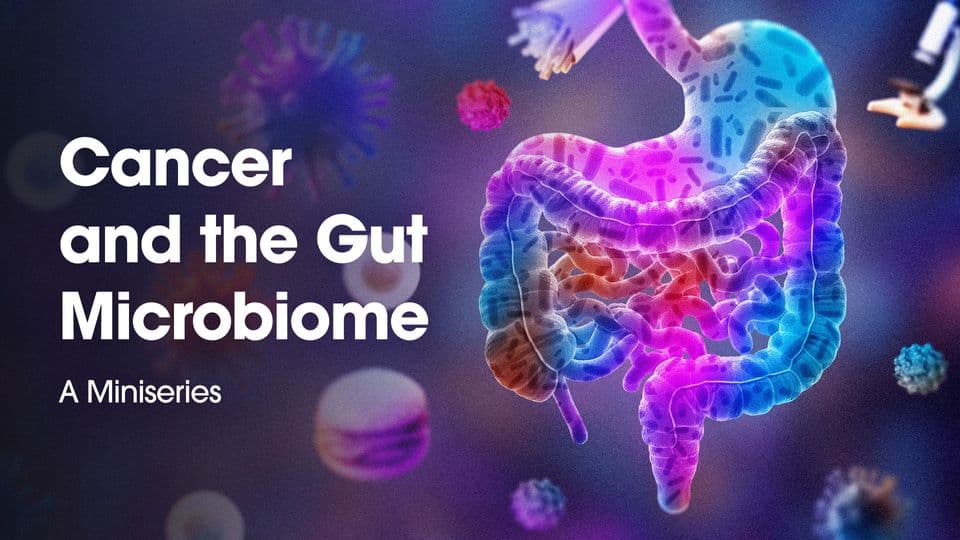
What Exactly Is the Microbiome? (And Why Should a Cancer Patient Care?)
Here is something that surprises most people when we tell them.
Right now, as you are reading this, there are trillions of living organisms inside your body — bacteria, viruses, fungi, and other microbes — quietly going about their work. Together, they form what scientists call your microbiome.
Now before you feel unsettled — this is actually a good thing. Most of these microbes are not your enemies. They are, quite literally, your body's silent workforce.
They help you digest food. They produce vitamins your body cannot make on its own — like Vitamin K and Vitamin B12. They train your immune system. They protect you from harmful bacteria. And increasingly, research is showing that they play a direct role in whether your body can recognise and fight cancer cells.
Think of your gut like a busy city. When the city is well-organised — clean streets, good infrastructure, everyone working together — it runs beautifully. But when things go out of balance — too much pollution, the wrong elements taking over — the whole city starts to break down.
That breakdown, in your gut, is called microbial dysbiosis. And for cancer patients and women at risk, understanding it could change everything.
The Gut-Cancer Connection: What the Research Is Telling Us
"I never thought my stomach health had anything to do with my cancer risk," said one of our patients, a 42-year-old woman from Delhi, three months after her cervical cancer diagnosis. She is not alone in thinking this way.
But here is what science now knows:
Your gut microbiome directly influences your cancer risk in three powerful ways:
1. It Controls Your Immune System's Ability to Fight Cancer
About 70% of your immune system lives in your gut. The beneficial bacteria in your microbiome constantly communicate with your immune cells — teaching them who the enemy is and how to respond.
When your microbiome is healthy and diverse, your immune system is sharp, alert, and capable of identifying and destroying abnormal cells — including early cancer cells — before they become a problem.
When your microbiome is disrupted, your immune system becomes confused, sluggish, and less capable of catching those early warning signals.
(Reference: Zitvogel L, et al. "Cancer and the gut microbiota: An unexpected link." Science Translational Medicine, 2015)
2. It Regulates Inflammation — the Silent Driver of Cancer
Chronic inflammation in the body is one of the most well-established drivers of cancer development. And your gut microbiome is one of the most powerful regulators of inflammation in your entire body.
Beneficial gut bacteria produce short-chain fatty acids — particularly butyrate — that actively reduce inflammation in the gut lining and throughout the body.
When dysbiosis occurs and these bacteria decline, inflammation rises. And sustained, uncontrolled inflammation creates the perfect environment for cancer to take root.
(Reference: Schwabe RF, Jobin C. "The microbiome and cancer." Nature Reviews Cancer, 2013)
3. It Affects How Well You Respond to Cancer Treatment
This is perhaps the most important finding for anyone currently undergoing cancer treatment.
Multiple studies in the last five years have shown that patients with a diverse, healthy gut microbiome respond significantly better to immunotherapy and chemotherapy than those with depleted microbiomes.
In simple terms — your gut bacteria can make the difference between a treatment working and not working.
(Reference: Gopalakrishnan V, et al. "Gut microbiome modulates response to anti-PD-1 immunotherapy." Science, 2018)
What Is Microbial Dysbiosis — And Are You At Risk?
Dysbiosis simply means your gut's microbial balance has been disrupted. The harmful bacteria are winning. The beneficial ones are losing.
Common causes of dysbiosis that we see in our patients:
A diet high in processed foods, sugar, and refined carbohydrates
Low fibre intake — very common in urban Indian diets today
Frequent use of antibiotics — even one course can disrupt gut balance for months
Chemotherapy and radiation therapy — both significantly impact the microbiome
High stress levels — cortisol directly affects gut bacteria composition
Poor sleep patterns
Sedentary lifestyle
How does dysbiosis show up in your body?
You might notice bloating that does not go away. Constipation or loose stools that alternate. Frequent infections — because your immunity is lower. Fatigue that feels disproportionate to how much you have done. Low mood or anxiety. Skin problems.
Many of our patients describe these as symptoms they ignored for years — dismissing them as "just stress" or "just my lifestyle." But when we look at their gut health, the story is much more complex.
Nutritional Oncology: Using Food as Medicine in Cancer Care
This brings us to what we at Heal Cancer Support are deeply passionate about — Nutritional Oncology.
Nutritional oncology is the science of how food, nutrients, and dietary patterns influence cancer risk, treatment effectiveness, and recovery. It is not alternative medicine. It is not a miracle cure. It is evidence-based, clinically validated, and increasingly recognised as an essential part of modern cancer care.
And yet, in India, most cancer patients receive almost no nutritional guidance during their treatment.
We want to change that.
What Should You Actually Eat to Support Your Microbiome During Cancer Care?
We get asked this every single day. Here is what the evidence — and our clinical experience — tells us:
🌿 1. Eat the Rainbow — Diversity is Everything
The most important thing you can do for your microbiome is eat a wide variety of plant foods. Different bacteria feed on different types of fibre. The more diverse your diet, the more diverse your microbiome.
Aim for at least 30 different plant foods per week. This sounds like a lot — but it adds up faster than you think. Dal, sabzi, salad, fruit, nuts, seeds, spices — each one counts.
🥦 2. Focus on Anti-Cancer Foods
Certain foods have been shown to directly support the cancer-fighting capacity of your gut microbiome:
Cruciferous vegetables — broccoli, cauliflower, cabbage, kale — contain sulforaphane, a compound shown to inhibit cancer cell growth
Turmeric — curcumin has powerful anti-inflammatory and anti-cancer properties. Add black pepper to increase absorption by 2000%
Berries and pomegranate — rich in polyphenols that feed beneficial bacteria
Garlic and onion — prebiotic powerhouses that dramatically increase beneficial bacteria counts
Whole grains — brown rice, bajra, jowar — feed butyrate-producing bacteria that reduce inflammation
🥛 3. Add Natural Probiotics — But Do It the Right Way
Fermented foods are nature's probiotics — they directly introduce beneficial bacteria into your gut.
For Indian women, the good news is that our traditional diet is full of natural probiotics — dahi (curd), buttermilk (chaas), idli, dosa, kanji, and homemade pickles (not the heavily vinegared commercial ones).
Important note for cancer patients: Always consult your oncologist before significantly increasing probiotic intake during active treatment — especially if you are immunocompromised.
❌ 4. Reduce What Feeds the Wrong Bacteria
Some foods actively promote the growth of harmful bacteria and inflammation:
Ultra-processed foods and packaged snacks
Refined sugar and sugary drinks — harmful bacteria thrive on sugar
Excessive red meat — particularly processed meats
Refined white flour (maida) products
Alcohol
💧 5. Hydration is Non-Negotiable
Your gut microbiome needs adequate water to function. Dehydration slows gut motility, reduces beneficial bacteria activity, and worsens constipation — a common and distressing side effect of many cancer treatments.
Aim for 8 to 10 glasses of water daily. Coconut water and herbal teas count.
A Special Note for Women Going Through Cancer Treatment
If you are currently on chemotherapy, immunotherapy, targeted therapy, or radiation — this section is especially for you.
Cancer treatment is one of the most significant disruptors of the gut microbiome. The same drugs that kill cancer cells also affect the fast-dividing cells of your gut lining and deplete your beneficial bacteria.
This is why so many patients experience nausea, diarrhoea, mouth sores, and extreme fatigue during treatment — your gut is under enormous stress.
Nutritional support during treatment is not a luxury. It is a clinical necessity.
What you eat during treatment can:
Reduce the severity of digestive side effects
Maintain your weight and muscle mass — critical for treatment tolerance
Support your immune system between treatment cycles
Improve your energy levels and quality of life
Help your body recover faster between sessions
If you are not receiving nutritional counselling as part of your cancer care, please ask your oncologist to refer you to an oncology dietitian — or reach out to us at Heal Cancer Support. This is exactly what we are here for.
5 Things You Can Do Starting Today
You do not need to overhaul everything overnight. Small, consistent steps make the biggest difference. Here is where to begin:
1. Add one fermented food to your diet daily — start with a small bowl of homemade dahi with lunch.
2. Include one serving of cruciferous vegetables — even a small piece of cauliflower or cabbage in your sabzi counts.
3. Replace one refined grain with a whole grain this week — try brown rice or roti made with jowar or bajra.
4. Add half a teaspoon of turmeric with a pinch of black pepper to your dal or morning warm water.
5. Log your symptoms for two weeks — bloating, fatigue, bowel changes, energy levels. Patterns in how you feel often tell us more about your gut health than any test.
A Message From Our Team at Heal Cancer Support
We started Heal Cancer Support because we kept meeting women who were scared, overwhelmed, and completely alone in navigating their cancer journey. Women who had been told what disease they had — but not how to live, what to eat, how to heal.
Your microbiome is one of the most powerful tools you have. And the beautiful thing is — you can start nurturing it today, with food you already have in your kitchen.
You do not have to figure this out alone.
📚 References
Zitvogel L, Galluzzi L, Viaud S, et al. Cancer and the gut microbiota: An unexpected link. Science Translational Medicine. 2015;7(271).
Schwabe RF, Jobin C. The microbiome and cancer. Nature Reviews Cancer. 2013;13(11):800-812.
Gopalakrishnan V, Spencer CN, Nezi L, et al. Gut microbiome modulates response to anti–PD-1 immunotherapy in melanoma patients. Science. 2018;359(6371):97-103.
Indian Council of Medical Research (ICMR). Dietary Guidelines for Indians. National Institute of Nutrition, 2024.
World Health Organization. Cancer Prevention — Diet and Physical Activity. WHO, 2022.
Aggarwal BB, Harikumar KB. Potential therapeutic effects of curcumin, the anti-inflammatory agent, against neurodegenerative, cardiovascular, pulmonary, metabolic, autoimmune and neoplastic diseases. International Journal of Biochemistry & Cell Biology. 2009;41(1):40-59.
💛 We Are Here For You
At Heal Cancer Support, we are building India's first tech-powered cancer care navigation platform — making complex cancer care simple, human, and accessible for every Indian.
Whether you are newly diagnosed, in the middle of treatment, or supporting a loved one through cancer — you do not have to walk this road alone.
📩 Connect with our team for personalised nutritional oncology support 🌐 Follow us for weekly cancer care awareness in Hindi and English 💬 Ask us anything — our experts answer every question
Because no one should navigate cancer alone. 💛
*This content is for informational purposes only and does not substitute for professional medical advice. All referenced materials and citations provided by the author are vetted for E-E-A-T (Experience, Expertise, Authoritativeness, and Trustworthiness) standards.

Written by
Rutuja Sawant
M.Sc. Microbiology, Microbiome ResearcherIntensive researcher on gut microbiome
ଆଲୋଚନା
0କଥାବାର୍ତ୍ତା ଲୋଡ୍ ହେଉଛି...